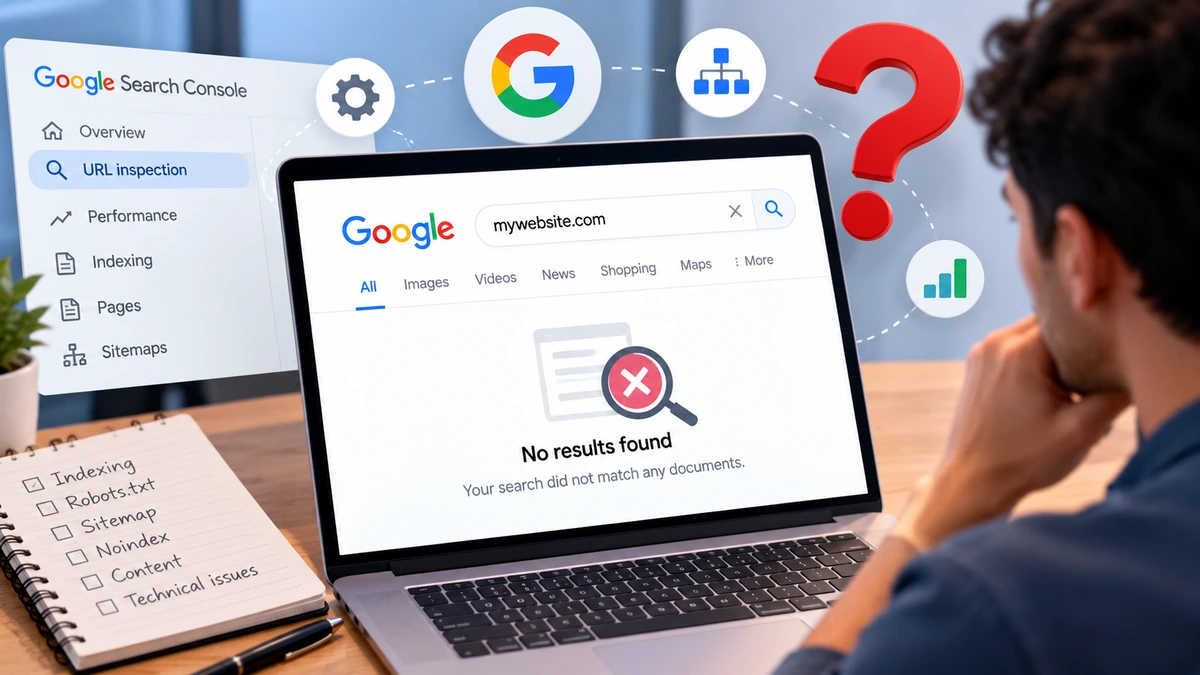
What Are Backlinks in SEO?
Discover the types of backlinks, their SEO benefits, and practical ways to build a stronger backlink profile.
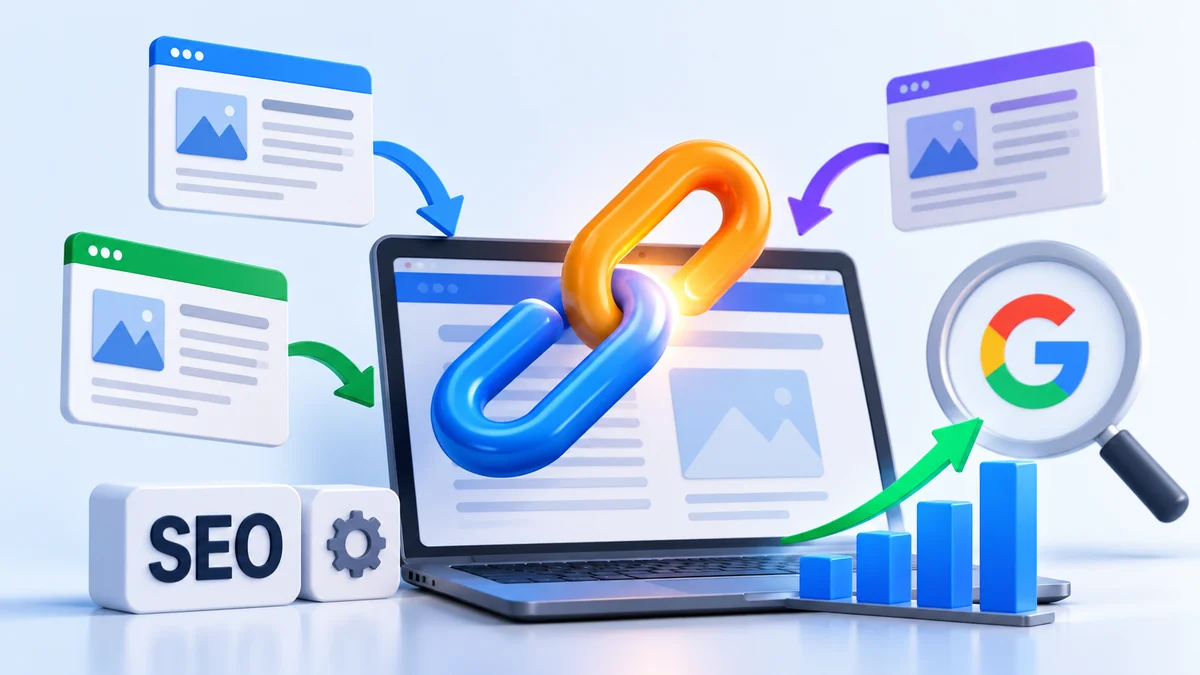
Backlinks are links from one website to another. When another website links to a page on your website, that link is called a backlink.
Backlinks are an important part of search engine optimization (SEO) because they can help search engines discover pages and understand how websites are connected. Links from relevant, trustworthy websites can also help search engines assess the credibility and value of your content.
However, not all backlinks provide the same value. Their relevance, quality, and context matter more than simply counting how many links a website has.
Why Are Backlinks Important for SEO?
Backlinks can support your SEO strategy in several ways.
1. They Help Search Engines Discover Content
Links can help search engine crawlers find pages on your website, especially when those pages are not easily accessible through other links.
2. They Can Support Search Rankings
Google uses links as part of its systems for understanding and ranking pages. Relevant, naturally earned backlinks may contribute to a page's ability to compete in search results, although no backlink guarantees higher rankings.
3. They Can Bring Referral Traffic
A backlink from a relevant website can send visitors directly to your content. This traffic can be valuable when the linking website serves an audience interested in your products, services, or information.
4. They Can Help Build Website Credibility
When respected websites reference your research, guides, or resources, visitors may be more likely to trust your content. The value depends on the relevance and reputation of the linking source.
What Are the Main Types of Backlinks?
Understanding backlink types can help you evaluate your website's link profile.
Dofollow Links
"Dofollow" is a commonly used SEO term for links that do not carry a special link attribute such as nofollow. These links can contribute to Google's assessment of a page through its link analysis systems.
Nofollow Links
A link with rel="nofollow" tells search engines that the publisher does not want to imply a normal endorsement through that link. Google treats this attribute as a hint rather than an absolute directive.
Sponsored Links
Links created as part of advertisements, sponsorships, or other paid placements should use rel="sponsored" where appropriate. Buying links intended to manipulate search rankings can violate Google's spam policies.
User-Generated Links
Links posted by users, such as in comments or forum posts, can use rel="ugc" to identify user-generated content. These links should not be treated as a substitute for earning relevant editorial links.
How to Get Quality Backlinks
Building backlinks takes time. Focus on creating useful content and earning links naturally instead of relying on shortcuts.
1. Publish Useful, Original Content
Create detailed guides, original research, statistics, practical tutorials, or resources that other websites have a reason to reference.
2. Find Relevant Websites in Your Industry
Identify websites that cover topics related to your content. When you have a genuinely useful resource, contact relevant publishers and explain why it could help their readers.
3. Fix Broken Links When Appropriate
Some websites link to pages that no longer exist. If you discover a broken link on a relevant website and have a suitable replacement resource, you can suggest your page as an alternative. The website owner decides whether to update the link.
4. Build Relationships With Other Publishers
Contribute useful insights, participate in relevant industry discussions, and develop relationships with publishers and experts. Genuine collaboration can lead to natural mentions and links.
5. Avoid Spammy Link-Building Tactics
Avoid buying links to manipulate rankings, participating in link schemes, or creating large numbers of low-quality links. Such practices can expose your website to search-ranking problems or manual actions.
How to Check Backlinks to Your Website
A backlink checker can help you examine the links pointing to your website and understand your link profile.
When reviewing backlinks, consider:
- Referring domains: The number of different websites linking to your site.
- Relevance: Whether the linking page covers a topic related to your content.
- Link context: Whether the link appears naturally within useful content.
- Anchor text: The clickable words used in the link.
- Potential spam: Links that appear manipulative or are part of obvious link schemes.
No single metric can reliably determine whether every backlink is good or bad. Review links in context, and remember that third-party SEO tools may not discover every link that Google knows about.
You can use the Backlink Checker on Dalil SEO to begin examining your website's backlinks: [Insert the verified Backlink Checker URL].
Do More Backlinks Always Mean Better Rankings?
No. A website with thousands of irrelevant or manipulative backlinks is not necessarily stronger than a website with fewer, more relevant links.
Google's systems evaluate many signals, and backlinks are only one part of SEO. Useful content, a crawlable website structure, page experience, and relevance to the search query also matter.
The goal should be to earn links that make sense for your audience, not to maximize a backlink count.
Frequently Asked Questions
How many backlinks does a website need to rank on Google?
There is no fixed number. The number and quality of links required vary by topic, competition, and the specific search query. Focus on publishing helpful content and earning relevant links rather than targeting an arbitrary number.
Are backlinks still important for SEO?
Yes. Links remain part of how search engines discover and evaluate web pages. However, their impact depends on context and other ranking signals.
Can I get backlinks for free?
Yes. You can earn backlinks by publishing original resources, creating useful guides, contributing expert insights, and building genuine relationships with relevant publishers. These methods require effort, but they do not require buying links.
How long does it take for backlinks to affect SEO?
There is no guaranteed timeline. Search engines must discover and process links, and any ranking impact depends on many factors. A new backlink does not guarantee an immediate ranking change.
Final Thoughts
Backlinks can support your SEO efforts when they come from relevant sources and are earned naturally. Focus on creating content worth referencing, avoid manipulative link schemes, and review your website's backlink profile regularly.
Start by checking which websites link to your pages and identifying opportunities to earn more relevant references. Use the results to guide your next steps rather than treating backlink counts as the only measure of SEO success.